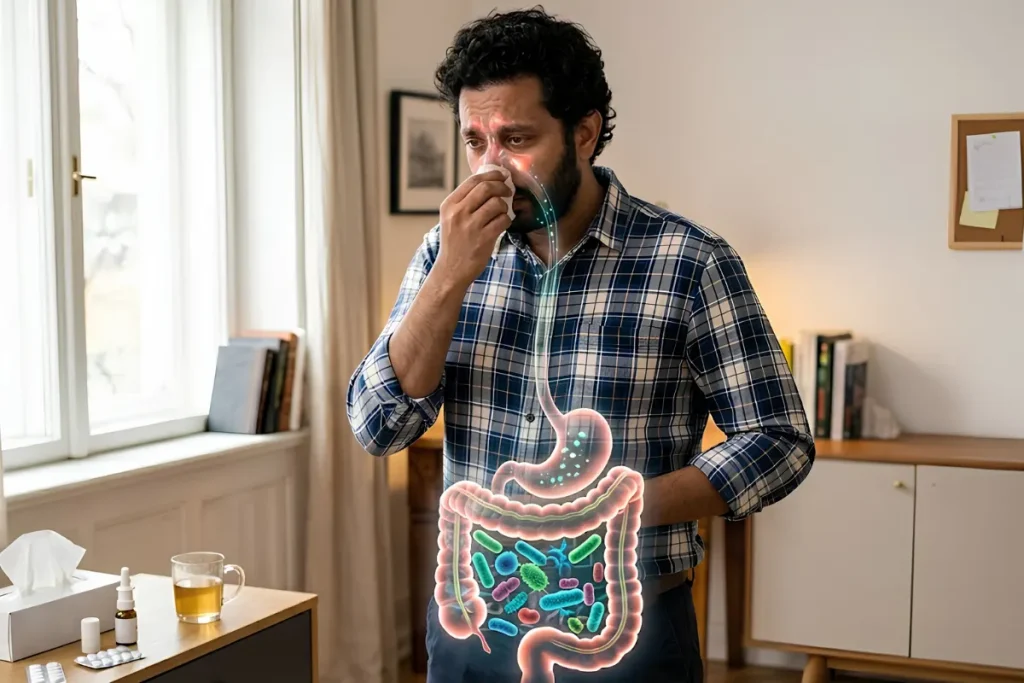
Are you experiencing constant nasal congestion, facial pressure, or a loss of smell? It could be due to the presence of nasal polyps. Nasal polyps are soft, non-cancerous growths that develop in the nose or sinuses due to chronic inflammation. In their early stages, they are shaped like a teardrop, but as they mature, they look like peeled grapes and appear pink or yellow or grey in colour. Nasal polyps exist as a single growth or in clusters.
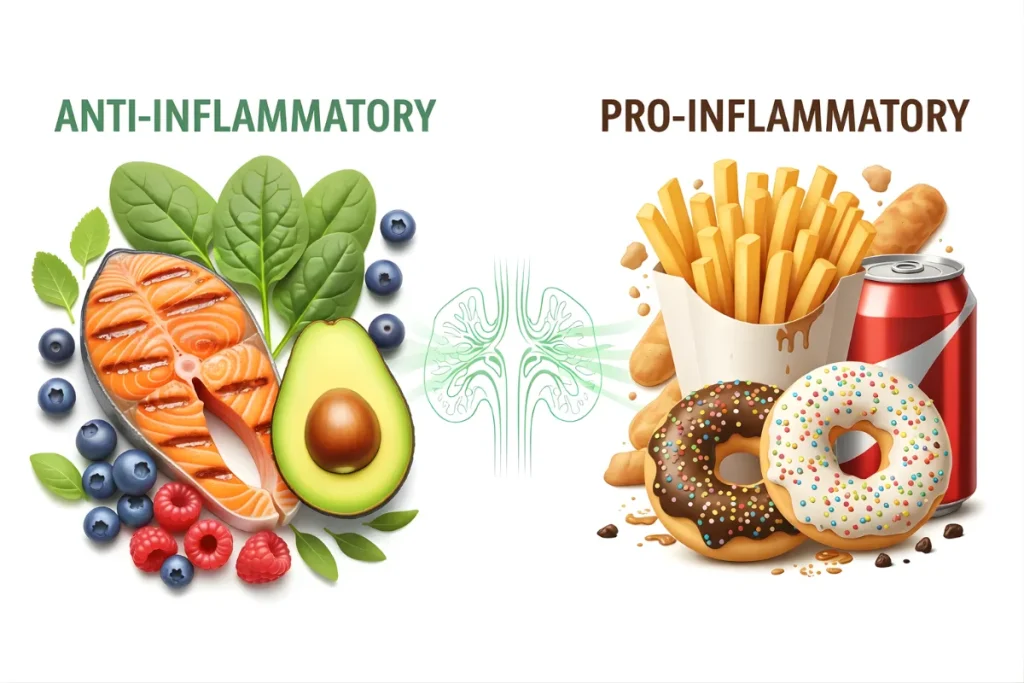
While medical treatments are non-replaceable, diet also plays an important role in modulating symptoms. Some foods prompt inflammation, others help manage it, while certain foods act as allergens that should be kept to a bare minimum. This blog focuses on dietary choices from this perspective:
Refined Sugars and Sweets
A high consumption of refined sugar can activate an immune response, leading to long-term, low-grade inflammation throughout the body. As nasal polyps enlarge, they can intensify nasal congestion.
What to avoid?
Biscuits, cakes, toffees, brownies, and packaged snacks.
What to consume?
Fresh fruits are always better than packaged or processed ones. Berries are rich in quercetin, which restricts histamine activity. They also contain anthocyanins that possess anti-inflammatory properties.
Dairy Products
Dairy products may thicken the mucus and worsen the nasal congestion of individuals sensitive to sinus inflammation or nasal polyps. These products can aggravate nasal blockage and post-nasal drip by increasing mucus viscosity, making it harder to clear.
What to avoid?
Milk, butter, paneer, cream, ice cream, and full-fat yogurt.
What to consume?
Opt for plant-based alternatives such as almond milk, oat milk, or soy milk.
Deep-Fried, Processed and Extremely Spicy Foods
Deep-fried and processed foods can stimulate the immune system to release cytokines. Cytokines are proteins contributing to inflammation that can increase swelling inside the nose. These foods often possess trans fats and unhealthy oils that form harmful compounds when heated to high temperatures. Spicy food can cause nasal burning and swelling, exacerbate post-nasal drip, and trigger sneezing and nasal congestion.
What to avoid?
French fries, onion rings, doughnuts, and fried chicken.
What to consume?
Go for oven-baked vegetables like sweet potato wedges or roasted carrots paired with leafy greens like spinach or kale. They help regulate your immune system.
Processed Meats and Additives
Processed meats have elevated levels of saturated fats and preservatives like nitrates. They are both linked to heightened inflammation and oxidative stress.
What to avoid?
Bacon, hot dogs, salami, pepperoni, and sausage. Chemicals like monosodium glutamate (MSG), benzoates, and sulphites – often found in processed snacks, canned vegetables, and soft drinks – can also give rise to respiratory and allergic reactions.
What to consume?
Choose fatty fish such as salmon, mackerel, or sardines as they are rich in omega-3.
Alcohol
Alcohol may widen blood vessels in the nasal lining, leading to nasal congestion. It may also set off inflammatory responses, especially in people with nasal polyps, asthma, or aspirin sensitivity.
What to avoid?
Beer, wine, whisky, rum, and other alcoholic beverages – especially fermented drinks.
What to consume?
Plenty of water, herbal teas, fresh fruit juices (without added sugar), or coconut water to stay hydrated and support sinus drainage.
Impact of Diet on Nasal Polyps
A balanced and anti-inflammatory diet cannot cure nasal polyps, but it can help manage the symptoms and reduce the chance of recurring polyps through proper sinus drainage. Such a diet also strengthens immunity and encourages quick recovery. When combined with medical treatment, dietary changes can noticeably improve overall sinus health and long-term results.
Contact an ENT specialist if:
- Nasal congestion, runny nose, facial pain or loss of smell lasts for over 10 days.
- Symptoms do not go away despite adequate medical therapy involving corticosteroids or nasal sprays.
- Difficulty in breathing adversely affects daily activities and sleep.
Conclusion
Refraining from inflammatory and mucus-promoting foods can help control symptoms of nasal polyps. If symptoms persist despite lifestyle changes, ENT evaluation is vital. Early intervention can help the individual steer clear of possible complications and improve their quality of life.
If any of these concerns resonate with you, you can consult Hyderabad’s renowned Sinus Specialist, Dr. GVK Chaitanya Rao – click here to book an appointment.