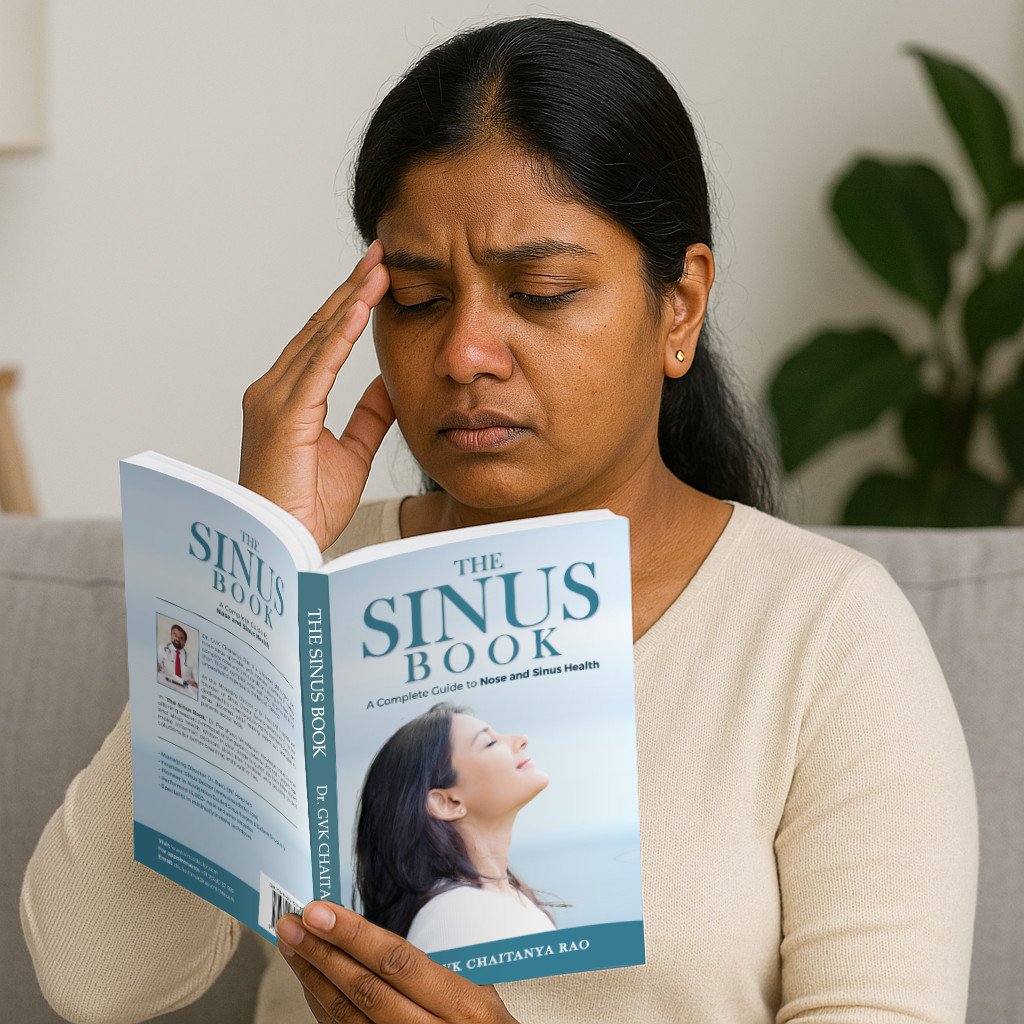
Do you find yourself constantly clearing your throat, swallowing mucus throughout the day, or waking up with a feeling of something dripping down your throat? You’re not alone. Millions of people experience the discomfort and frustration of post nasal drip, and the good news is that effective post nasal drip treatment options exist. Understanding what’s happening in your nasal passages and sinuses is the first step toward finding relief. Whether it’s seasonal allergies, a lingering cold, or something more persistent, learning about post nasal drip treatment can help you reclaim your comfort and confidence.
What Post Nasal Drip Is and How Normal Mucus Flow Works
Your nose and sinuses produce about a liter of mucus every single day, though you don’t normally notice it. This mucus serves an essential purpose: it traps dust, bacteria, and other particles, keeping your airways clean. Under normal circumstances, this mucus flows quietly down the back of your throat and is swallowed without you being aware of it. This process is so seamless that you go about your day without a second thought.
Post nasal drip occurs when this mucus becomes thicker, more abundant, or when the normal drainage pathways become congested. Instead of the steady, imperceptible flow, you start to feel mucus accumulating at the back of your throat. This creates that uncomfortable sensation of something dripping or pooling, which leads to constant swallowing, throat clearing, and sometimes even a nagging cough. The difference between normal mucus production and post nasal drip is not always about quantity, but rather about how effectively your nasal passages and sinuses are clearing.
Common Causes: Allergies, Sinusitis, Reflux, Weather, and Medications
Post nasal drip has multiple triggers, and identifying yours is key to finding the right post nasal drip treatment. Allergic rhinitis is among the most common culprits, especially in Hyderabad and surrounding regions where seasonal changes bring significant shifts in pollen counts and humidity. When your immune system overreacts to allergens like dust, pollen, or mold, it triggers inflammation that causes your nasal passages to swell and produce excess mucus.
Acute or chronic sinusitis represents another major cause. When your sinuses become infected or inflamed, the drainage becomes impaired, and you experience significant post nasal drip alongside facial pressure and congestion. Additionally, acid reflux can irritate the back of your throat, leading to a sensation of drip that feels similar to genuine post nasal drip, though the origin is different. Weather changes, particularly sudden shifts from warm to cool air, can also trigger mucus production. Certain medications, including blood pressure drugs and hormonal contraceptives, are known culprits as well, and in some cases, sensitivity to spicy foods or sudden dietary changes can intensify symptoms.
Home Management and Medications That Actually Help
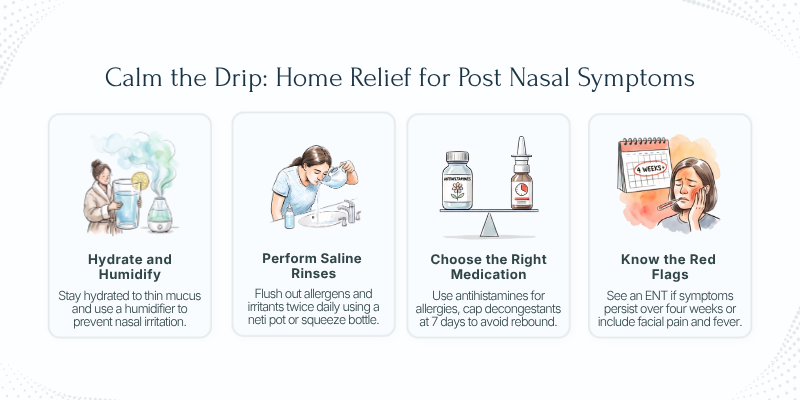
I often tell patients that the foundation of managing post nasal drip begins at home with simple, science-backed strategies. Staying hydrated is surprisingly effective: drinking adequate water helps thin the mucus, making it easier for your body to clear it naturally. Saline nasal rinses using a neti pot or squeeze bottle twice daily can mechanically flush out irritants and help restore normal mucus flow. Adding a humidifier to your bedroom during dry seasons, particularly common in Telangana’s harsh summers, can also ease congestion.
Over-the-counter decongestants and antihistamines offer temporary relief for many people, especially when allergies are the primary driver. However, I recommend using decongestants sparingly and not for longer than a week, as they can lead to rebound congestion. If post nasal drip is linked to acid reflux, adjusting your diet to avoid triggers, eating smaller meals, and avoiding eating close to bedtime can make a meaningful difference. For allergy-related post nasal drip, antihistamines are often more effective than decongestants.
If your symptoms persist beyond two to three weeks or worsen despite home care, prescription treatments become necessary. Nasal corticosteroid sprays directly reduce inflammation in the nasal passages and are highly effective for many patients. Some individuals benefit from understanding what the color of your mucus means, as this can help guide whether your drip is allergy-related, viral, or bacterial, allowing you to choose the most targeted post nasal drip treatment.
Red Flags: When Persistent Drip Signals Chronic Sinusitis or Polyps
While most cases of post nasal drip resolve within a few weeks, some patients develop chronic symptoms that persist despite home care and over-the-counter medications. This is when a thorough evaluation becomes important. Chronic post nasal drip can signal underlying chronic sinusitis, where your sinuses remain persistently inflamed and don’t drain properly. Alternatively, nasal polyps, which are benign growths in the nasal passages, can obstruct drainage and create ongoing post nasal drip.
Warning signs that warrant a specialist evaluation include post nasal drip lasting longer than four weeks, associated facial pain or pressure, thick or discolored mucus, fever, or a nagging cough that disrupts sleep. If you suspect your post nasal drip stems from chronic sinusitis, learning about why sinusitis keeps coming back can provide valuable insight into the condition and its management. Some patients also experience hearing difficulties or ear fullness if drainage is significantly obstructed. In these cases, post nasal drip treatment may require more advanced approaches such as endoscopic sinus surgery or specialized medication regimens.
Don’t let post nasal drip disrupt your daily life. If home remedies aren’t providing relief or your symptoms have persisted for more than a few weeks, it’s time to seek professional guidance. Schedule an appointment to discuss a personalized post nasal drip treatment plan tailored to your specific needs.
Conclusion
Post nasal drip treatment depends entirely on its underlying cause and severity. For most people, the journey begins with simple home care measures like saline rinses, hydration, and identifying and avoiding triggers. Over-the-counter and prescription medications offer the next level of relief for those who need it. However, when post nasal drip persists despite these efforts, professional evaluation becomes essential to rule out conditions like chronic sinusitis or nasal polyps that require specialized treatment. The key is not to resign yourself to constant throat clearing and discomfort. Effective post nasal drip treatment is available, and with the right approach tailored to your individual situation, you can return to enjoying clear, unobstructed breathing and a quiet throat.
If you’re struggling with post nasal drip that isn’t responding to self-care, book a consultation to explore your options. For deeper insights into sinus health and comprehensive guidance on managing nasal conditions, consider reading The Sinus Book on Amazon.
FAQs
Post nasal drip caused by a viral infection like a cold usually resolves within one to two weeks as your body clears the infection. If it’s allergy-related, it may persist seasonally or year-round depending on your triggers. However, if post nasal drip lasts longer than three to four weeks despite home care or seems to worsen, it signals an underlying condition that needs evaluation, and post nasal drip treatment from a specialist becomes necessary.
Yes, absolutely. When mucus drips continuously down your throat, it irritates your vocal cords and airways, triggering a persistent cough. This cough is particularly bothersome at night or when you’re lying down, as gravity pulls more mucus toward your throat. Over time, the constant irritation and coughing can make your voice hoarse or cause throat soreness. Addressing the underlying cause of post nasal drip treatment helps reduce both the cough and the hoarseness.
You should seek specialist care if your post nasal drip persists for more than four weeks despite home remedies, if it’s accompanied by severe facial pain or pressure, if you have thick greenish or bloody mucus, or if it’s significantly affecting your sleep and quality of life. An ENT specialist can perform a nasal endoscopy to identify the exact cause, whether it’s chronic sinusitis, allergies, polyps, or another condition, and recommend targeted post nasal drip treatment based on your diagnosis. Consult Dr. GVK Chaitanya Rao, best ENT specialist in Hyderabad for all your concerns regarding post nasal drip treatment.