One of the most disheartening things I hear in my clinic is a patient saying, “Dr. Chaitanya Rao, I had my polyps removed three years ago, and now I can’t breathe again. Why do they keep coming back?”
Nasal polyps are not just “growths” that need to be cut away. They are a symptom of an underlying chronic inflammatory condition. If we only treat the polyps and ignore the inflammation, they are almost guaranteed to return. This is the difference between a general ENT approach and a Sinus Super Specialist approach.
The Root Cause of Recurrence
Polyps often return because of what we call “persistent mucosal inflammation.” This can be caused by several factors:
- Incomplete Surgery: If the microscopic “roots” or the narrow openings of the sinuses are not properly cleared and widened, the polyps have a foundation to regrow.
- Unmanaged Allergies: If a patient has severe environmental allergies that are not managed after surgery, the constant irritation will trigger new polyp growth.
- Aspirin Sensitivity: A specific subset of patients has a condition where their body reacts to aspirin and similar medications by growing polyps.
A Strategy for Permanent Relief
At SinusDoctor, my goal is not just to clear your nose for a few months, but to provide lasting relief. Our protocol for preventing recurrence involves three main pillars:
- Precision Surgery with Navigation: We ensure every corner of the sinus is cleared of diseased tissue, creating a healthy environment for the lining to heal.
- Post-Operative Medical Management: Surgery is only the beginning. We use specialized nasal sprays, rinses, and sometimes biological treatments to keep the inflammation at zero.
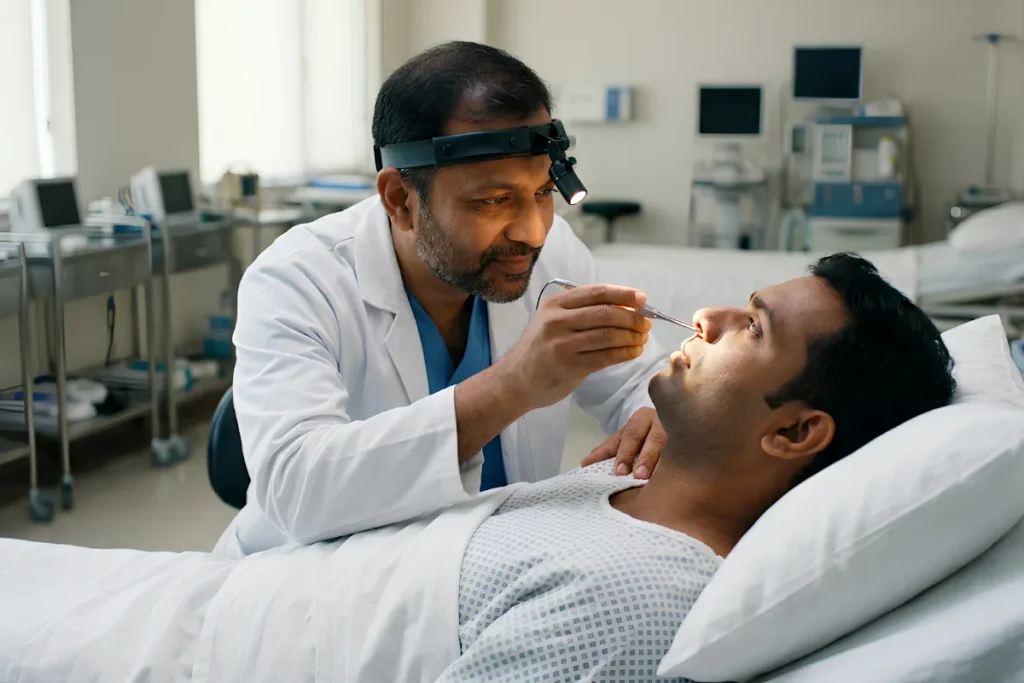
- Continuous Monitoring: Regular check-ups using high-definition endoscopy allow us to catch “micro-polyps” before they become a problem, often treating them with simple in-office procedures.
Losing your sense of smell or the ability to breathe through your nose is frustrating. If you have suffered from recurring polyps, it is time for a more comprehensive strategy. We don’t just remove polyps; we manage the disease that causes them.