Nasal polyps can be a persistent and frustrating condition, significantly impacting your quality of life by affecting your breathing and sense of smell. If you are considering nasal polyp surgery, you likely have many questions about the procedure, its effects, and what to expect during recovery. Dr. G V K Chaitanya Rao, our sinus super specialist at SinusDoctor, is here to address these common concerns and provide you with comprehensive information about this important surgical intervention.
What are Nasal Polyps?

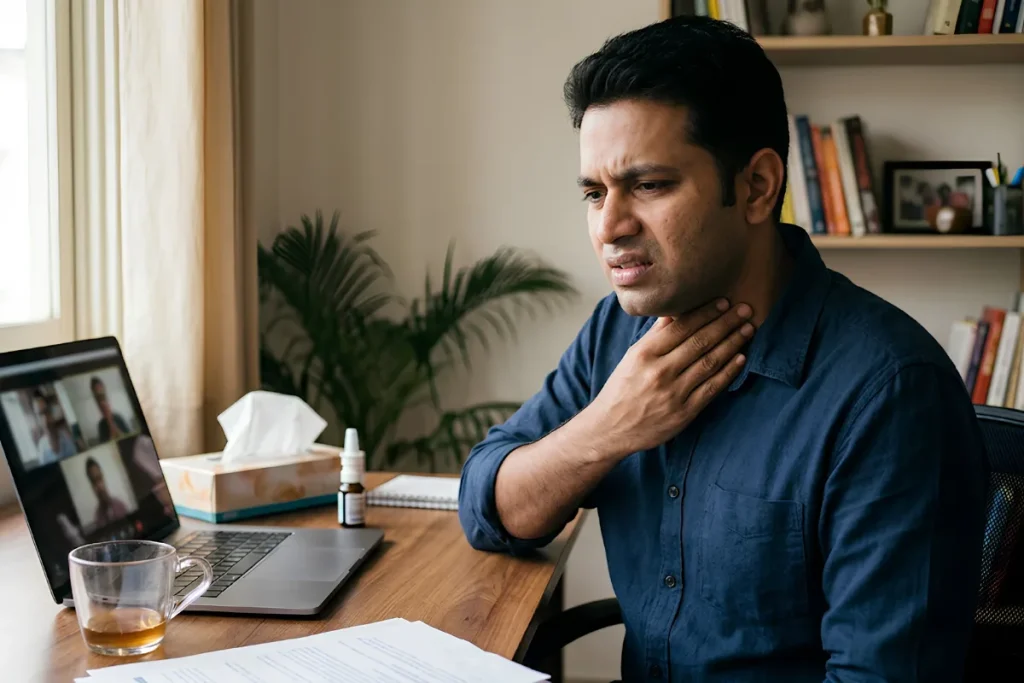
Nasal polyps are soft, painless, non-cancerous growths that develop in the lining of the nasal passages or sinuses. These grape-like swellings result from chronic inflammation and can vary in size. When polyps grow large or in clusters, they can obstruct normal airflow and sinus drainage, leading to breathing difficulties, a reduced sense of smell, and recurrent infections.
FAQs About Nasal Polyps Surgery
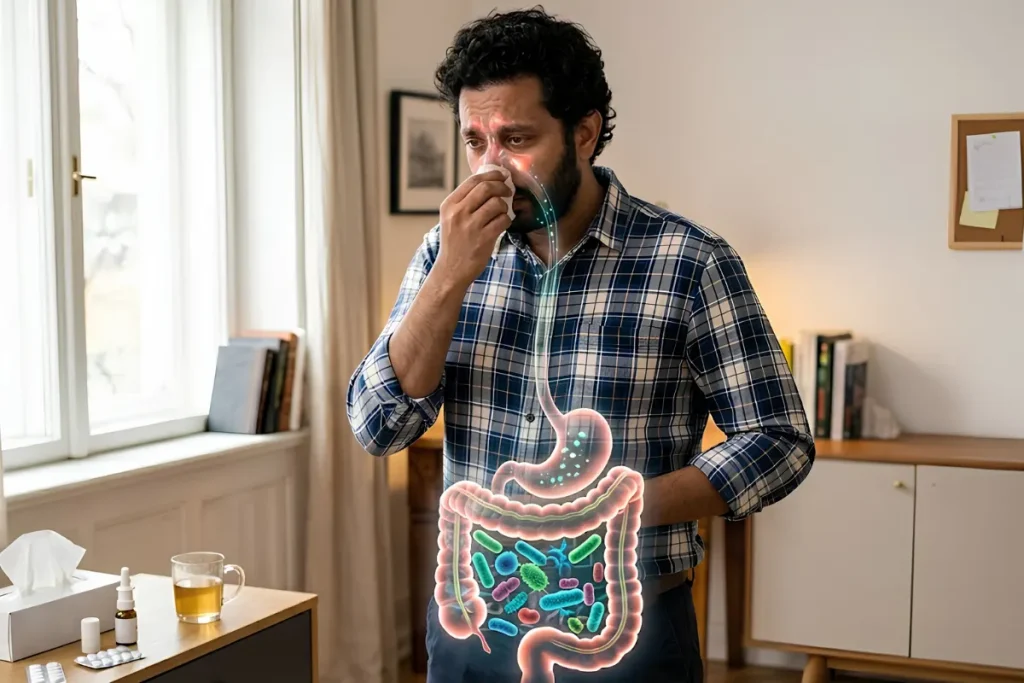
While the exact cause of nasal polyps isn’t fully understood, several factors contribute to their formation. Chronic inflammation in the nasal passages and sinuses are the primary culprits. This inflammation can be triggered by conditions such as allergies, asthma, recurring infections, certain immune disorders, and even genetic factors. Some people are simply more prone to developing polyps due to the way their immune system reacts to inflammation.
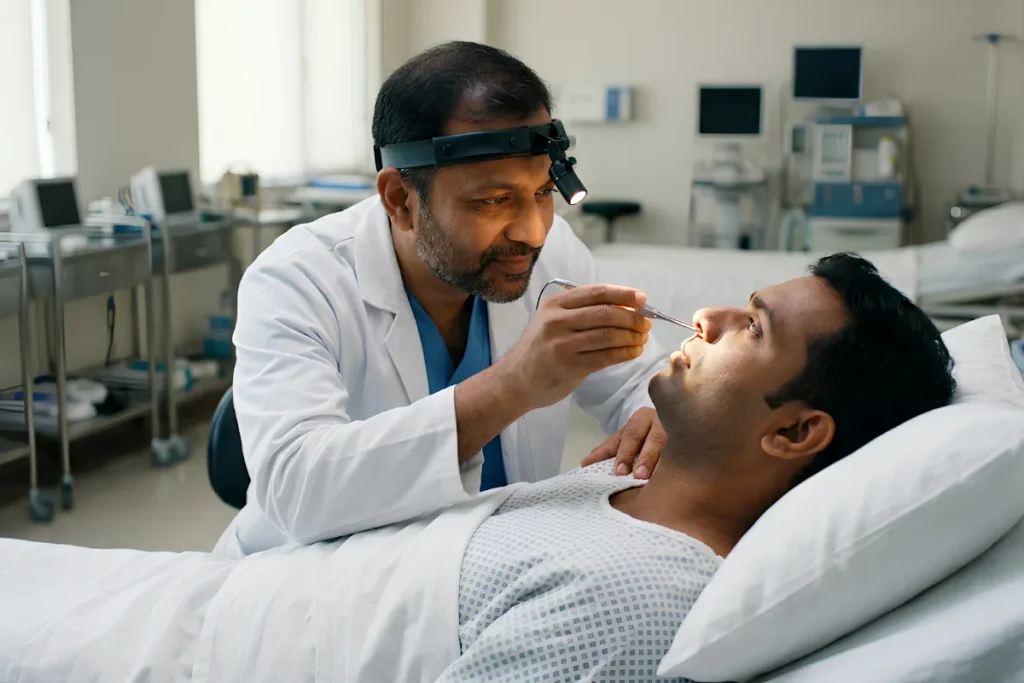
Nasal endoscopy is the primary diagnosis tool, where Dr. Chaitanya Rao uses a thin, flexible tube with a tiny camera to examine the inside of your nose and sinuses. In some cases, CT scans may be necessary to determine the precise size, location, and extent of the polyps, as well as to plan for surgery if needed.
When is surgery recommended?
Surgery becomes a consideration when other treatment options have not provided sufficient relief. Typically, the first line of treatment includes corticosteroid nasal sprays, oral steroids, or other medications to reduce inflammation and shrink the polyps. However, if these conservative measures fail to alleviate symptoms, or if the polyps are large and significantly impacting your quality of life, Dr. Chaitanya Rao may recommend surgical intervention.
What types of surgery are available?
The most common and effective procedure for nasal polyp removal is endoscopic sinus surgery. During this minimally invasive procedure, Dr. Chaitanya Rao uses a small camera (endoscope) and specialized instruments to remove the polyps and open up the sinus passages. This technique allows for precise removal of polyps with minimal impact on surrounding healthy tissue. In some cases, image-guided systems may be used for even greater accuracy, especially when polyps are in difficult-to-reach areas.

How long does the surgery take?
The duration of nasal polyp surgery can vary depending on the extent of the polyps and the complexity of the case. Typically, the procedure takes between 1 to 3 hours. Dr. Chaitanya Rao will provide a more precise estimate based on your individual situation during your pre-surgery consultation.
Is nasal polyp surgery painful?
Most patients experience mild to moderate discomfort rather than severe pain following nasal polyp surgery. The level of discomfort can vary from person to person. Dr. Chaitanya Rao and team will discuss pain management options with you, which may include over-the-counter pain relievers or, in some cases, prescription medications for the first few days after surgery.
What is the recovery process like?
Recovery from nasal polyp surgery typically takes 1 to 2 weeks, although this can vary based on the extent of the surgery and individual healing rates. During this time, you’ll need to avoid strenuous activities and follow post-operative care instructions carefully. This usually includes nasal rinses, avoiding nose-blowing, and keeping your head elevated. Most patients can return to work or normal activities within a week, but full healing will generally take several weeks.
Proper sleep positioning is crucial for a smooth recovery after nasal polyp surgery. It’s recommended to sleep with your head elevated to reduce swelling and promote better drainage. Use extra pillows or a wedge pillow to keep your head up at a 30-45 degree angle. This position helps minimize congestion and discomfort, allowing for better sleep during the recovery period.
Your diet in the days following surgery can impact your comfort and healing. Start with soft, cool foods that are easy to eat without much chewing. Avoid hot or spicy items that can increase nasal congestion or irritation. Staying hydrated is crucial, so drink plenty of water and non-caffeinated beverages. As you recover, you can gradually return to your normal diet, but continue to be mindful of very hot foods or beverages for the first week or so.
While nasal polyp surgery is generally safe, as with any surgical procedure, there are potential risks and complications. These can include bleeding, infection, or changes in sense of smell. In rare cases, there might be damage to surrounding structures. Dr. Chaitanya Rao will discuss all potential risks specific to your case during your consultation and provide guidance on how to minimize these risks.
There is a chance of polyp recurrence after surgery, especially if underlying factors contributing to their growth are not addressed. However, surgical removal combined with ongoing medical management significantly reduces the likelihood of regrowth. Dr. Chaitanya Rao will work with you to develop a comprehensive post-operative plan to minimize the risk of recurrence.
Preventing polyp recurrence involves a multi-faceted approach. This typically includes using prescribed nasal corticosteroid sprays, managing allergies and asthma effectively, avoiding irritants like smoke, and attending regular follow-up appointments. Dr. Chaitanya Rao may also recommend lifestyle changes or additional treatments based on your specific case to help prevent regrowth.
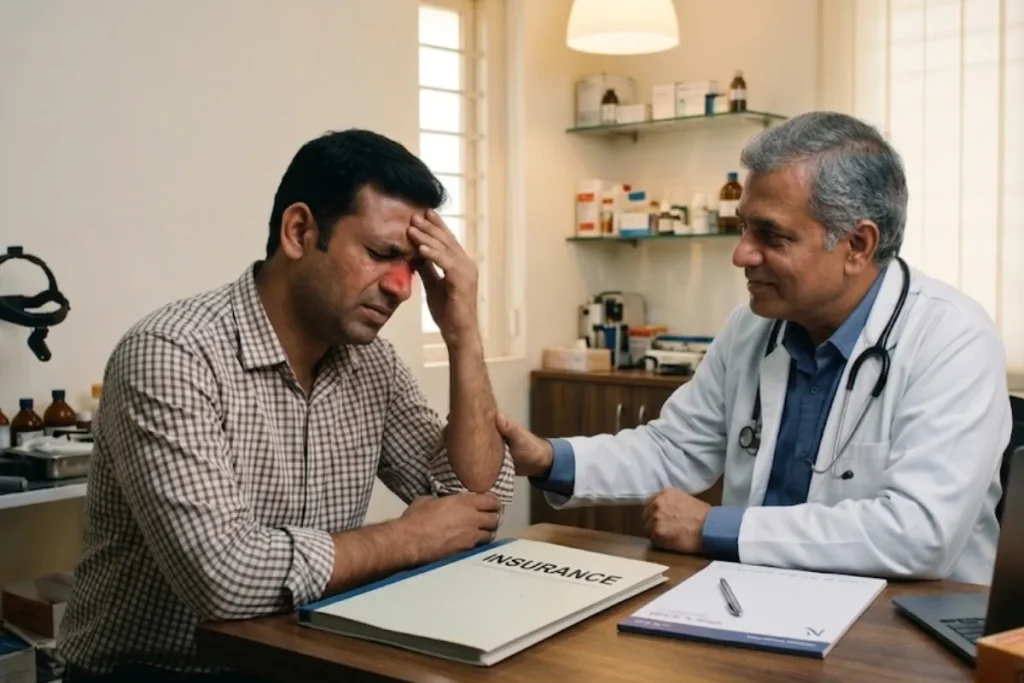
Many patients with other medical conditions can safely undergo nasal polyp surgery. However, certain conditions may require special considerations. Dr. Chaitanya Rao will conduct a thorough review of your medical history and may consult with your other healthcare providers to ensure the procedure is safe for you. In some cases, additional precautions or modifications to the surgical plan may be necessary.
Most patients notice improved breathing within a few weeks after surgery. However, the full benefits of the procedure may take several months to become apparent. Sense of smell often improves gradually over time. It’s important to have realistic expectations and understand that healing is a long process. Dr. Chaitanya Rao will monitor your progress and guide you through the recovery period.
Post-Surgery Care and Follow-up
After your surgery, you’ll receive detailed instructions for at-home care. This typically includes guidelines on nasal rinses, medication use, activity restrictions, and when to return for follow-up visits. Regular follow-ups with Dr. Chaitanya Rao are crucial to monitor your healing progress, address any concerns, and make adjustments to your care plan as needed. These appointments also allow for early detection and management of any signs of polyp recurrence.
Conclusion
Nasal polyp surgery can be a life-changing procedure for many patients, offering significant improvements in breathing, smell, and overall quality of life. While this FAQ covers many common questions, it’s important to remember that every patient’s situation is unique. Your specific experience may vary, and you may have additional questions or concerns not addressed here.
For personalized advice and to explore your treatment options, we strongly encourage you to consult with Dr. G V K Chaitanya Rao, our sinus super specialist at SinusDoctor. With his extensive experience and expertise in managing complex sinus conditions, Dr. Chaitanya Rao can provide you with a tailored treatment plan that addresses your specific needs and concerns.
To schedule a consultation with Dr. Chaitanya Rao or to learn more about nasal polyp treatments, don’t hesitate to contact Dr. Rao’s ENT by clicking here. Our team is ready to assist you and answer any additional questions you may have. Remember, your journey to better sinus health starts with taking that first step. Reach out to us today, and let Dr. Chaitanya Rao guide you towards breathing easier and living better.