If you find yourself reaching for a tissue the moment you step into a park or wake up every morning with a relentless sneezing fit, you aren’t alone. What many dismiss as “just a common cold” or “seasonal sniffles” is often Allergic Rhinitis, a condition that affects nearly 10% to 30% of the global population. Understanding the Prevention of Allergic Rhinitis is essential to reducing symptoms, avoiding triggers, and reclaiming your daily comfort and breathing health.
As a sinus specialist, I often see patients whose lives are significantly disrupted by persistent congestion, itchy eyes, and fatigue. While it may not always be a medical emergency, the cumulative toll on your productivity and sleep can be immense. Understanding the “why” and “how” behind your allergies is the first step toward effective management and the long-term prevention of allergic rhinitis.
What is Allergic Rhinitis?
Allergic rhinitis, commonly known as hay fever, is an inflammatory condition of the nasal passages. It occurs when your immune system—the body’s defense mechanism—wrongly identifies harmless airborne particles as dangerous invaders.
When you inhale these particles, known as allergens, your immune system overreacts by producing antibodies called Immunoglobulin E (IgE). These antibodies trigger the release of chemicals like histamine from your mast cells. Histamine is the primary culprit behind the classic symptoms: swelling of the nasal lining, excess mucus production, sneezing, and itching.
There are two primary classifications:
- Seasonal Allergic Rhinitis: Triggered by outdoor allergens like pollen, usually peaking in spring or fall.
- Perennial Allergic Rhinitis: Occurs year-round due to indoor triggers like dust mites or pet dander.
Identifying Your Triggers
To fight the enemy, you must first know its name. Understanding how to avoid allergic rhinitis triggers is essential for keeping symptoms at bay. Triggers vary from person to person, but the most common offenders include:
- Pollen: Tiny, wind-borne particles from trees, grasses, and weeds. In India, the changing seasons often bring significant spikes in pollen counts.
- Dust Mites: Microscopic organisms that thrive in warm, humid environments, commonly found in bedding, upholstery, and carpets.
- Pet Dander: Tiny flakes of skin, saliva, or urine from animals with fur or feathers.
- Mold Spores: Fungi that grow in damp areas like bathrooms, basements, or rotting vegetation.
- Air Pollution: Particulate matter and nitrogen dioxide can irritate the nasal lining, making it more sensitive to other allergens.
Precautions: Indoor and Outdoor Strategies
Prevention is often the most effective “medicine.” By minimizing your exposure to known triggers, you can significantly reduce the frequency of flare-ups. Implementing a strategic approach to the prevention of allergic rhinitis can often mean the difference between a productive day and one spent in discomfort.
Outdoor Precautions
- Check Pollen Forecasts: Plan your outdoor activities for when pollen counts are lower, typically after a good rain or in the late afternoon. This is one of the most effective seasonal allergic rhinitis prevention tips.
- The “Post-Outing” Routine: After spending time outdoors, change your clothes and take a shower to wash away any pollen clinging to your hair or skin.
- Shield Your Eyes: Wear wraparound sunglasses to prevent allergens from making direct contact with your eyes.
Indoor Precautions
- Dust Allergy Prevention for Rhinitis: Focus on your bedroom first. Use “mite-proof” zippered covers for your pillows and mattresses. Wash your linens weekly in hot water (above 60°C) to kill dust mites.
- Air Quality Control: Use HEPA (High-Efficiency Particulate Air) filters in your home to trap tiny particles. Ensure your home is well-ventilated to prevent mold growth.
- Minimize Carpeting: If possible, opt for hard flooring like tile or wood, which doesn’t trap dust as easily as carpets do.
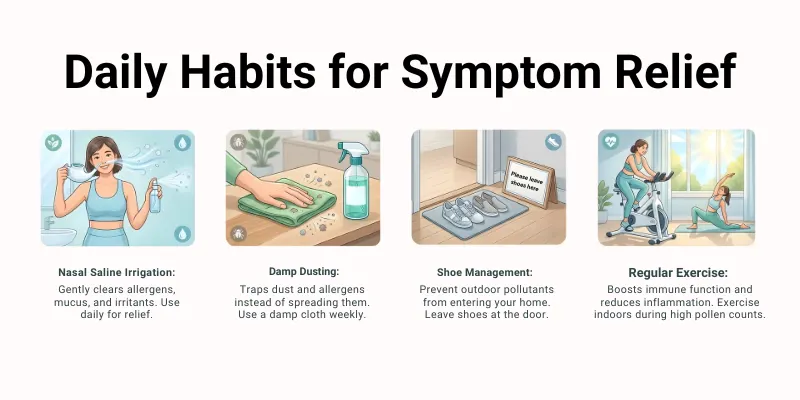
Daily Habits for Symptom Relief
Small changes in your daily routine can yield big results for your nasal health and serve as excellent home remedies to prevent allergic rhinitis:
- Nasal Saline Irrigation: Using a saline spray or a Neti pot once or twice a day is a game-changer. It physically flushes out inhaled allergens and thins the mucus, keeping your nasal passages clear.
- Damp Dusting: Instead of using a dry duster that sends particles back into the air, use a damp cloth to trap and remove dust from surfaces.
- Shoe Management: Leave your shoes at the door to prevent tracking outdoor pollutants and pollen throughout your living space.
- Regular Exercise: While it helps boost immunity, be mindful of where you exercise. During high-pollen seasons, choose indoor workouts over outdoor runs.
Diet and Immune Boosting: How to Prevent Allergic Rhinitis Naturally
While diet alone won’t “cure” an allergy, supporting your immune system through nutrition is a key part of how to prevent allergic rhinitis naturally.
- Anti-Inflammatory Foods: Incorporate ginger, turmeric, and garlic into your meals. These have natural anti-inflammatory properties that may help soothe irritated tissues.
- Omega-3 Fatty Acids: Found in flaxseeds, walnuts, and fatty fish, these can help reduce systemic inflammation.
- Probiotics: A healthy gut is closely linked to a balanced immune system. Yogurt, kefir, and fermented foods may help regulate your body’s immune response.
- Quercetin: This natural plant pigment, found in onions and apples, acts as a natural antioxidant and may help stabilize mast cells to reduce histamine release.
- Hydration: Drinking plenty of water keeps the mucous membranes in your nose and throat hydrated, preventing them from becoming overly sensitive and irritated.
Medical Preventive Measures
When lifestyle changes aren’t enough, modern medicine offers several effective tools:
- Antihistamines: These block the action of histamine to provide relief from sneezing and itching.
- Nasal Corticosteroids: Often the gold standard for long-term management, these sprays reduce inflammation directly in the nasal passages without the “rebound effect” found in some decongestants.
- Immunotherapy: Often referred to as “allergy shots” or sublingual tablets, this treatment gradually desensitizes your immune system to specific allergens over 3 to 5 years, offering a potential long-term solution.
- Navigation Sinus Surgery: In cases where chronic inflammation has led to structural issues like nasal polyps or severe sinus blockages, advanced technologies like Navigation Sinus Surgery can provide precise, effective relief.
When to See a Doctor
Self-care is a great starting point, but you should consult an ENT specialist if:
- Your symptoms persist for more than a month or worsen despite over-the-counter treatments.
- You experience severe symptoms like shortness of breath or wheezing.
- Your allergies are leading to secondary complications like frequent sinus infections (sinusitis) or ear infections.
- Your quality of life, sleep, or productivity is significantly impaired.
Conclusion
Allergic rhinitis is more than just a nuisance; it is a sign that your body is in a state of high alert. By understanding your triggers and adopting proactive daily habits, you can take control of your environment and your health.
If you are struggling to find relief, don’t suffer in silence. As a sinus specialist, I am committed to helping you find a personalized treatment plan that allows you to breathe freely again.
Are you ready to take the next step toward better sinus health?
- Assess Yourself: Take our Sinus Self-Assessment Test to evaluate the seriousness of your condition.
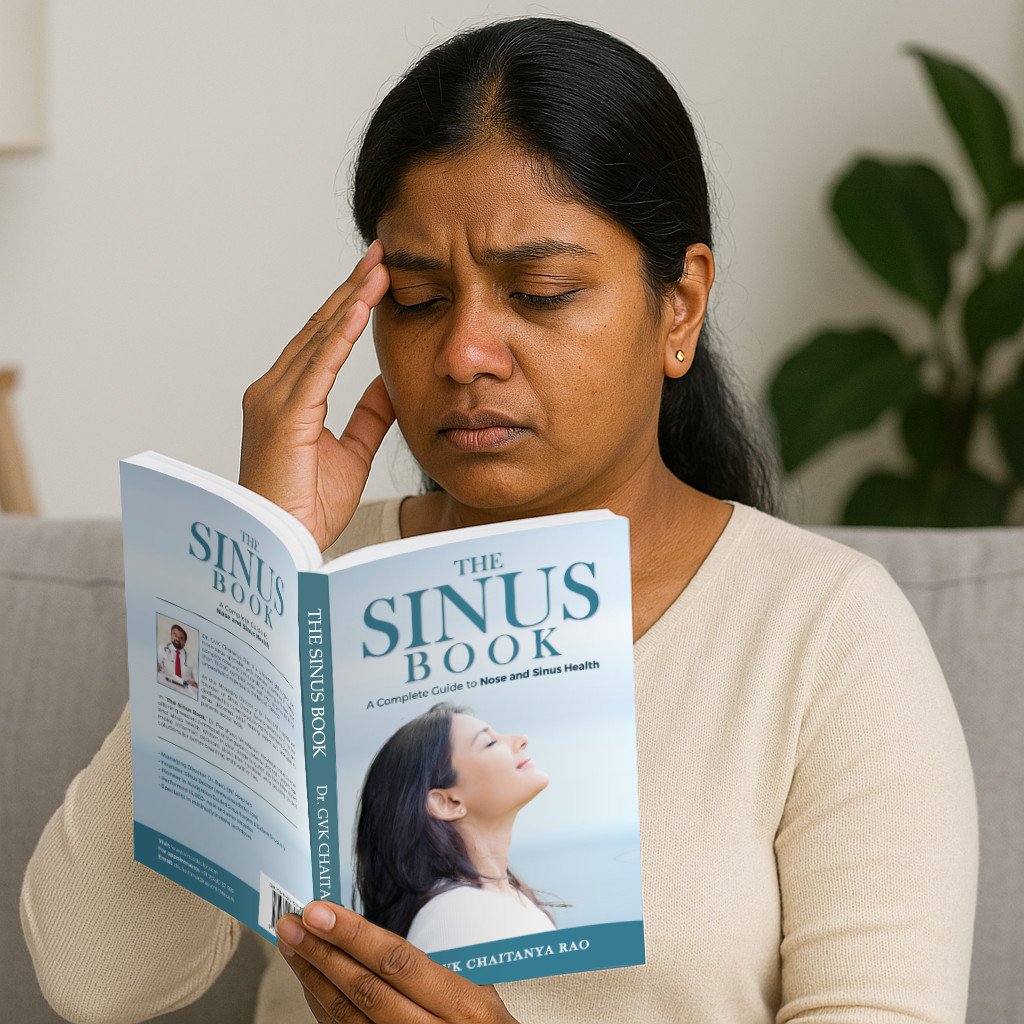
- Learn More: For a deeper dive into managing your nose and sinus health, pick up a copy of my book, The Sinus Book.
Book a Consultation: If your allergies are unmanageable, schedule an appointment today for a thorough diagnosis and expert care.
FAQs
Yes. While many people develop allergies in childhood, “adult-onset” allergic rhinitis is common. Changes in your environment, moving to a new city, or even shifts in your immune system can trigger a new allergic response later in life.
Absolutely. Pollutants like smoke and exhaust fumes can damage the nasal lining, making it easier for allergens to penetrate and trigger a reaction. In polluted cities, this “double hit” can make symptoms much more severe.
Yes. You can become sensitized to pet dander at any time. Sometimes, it’s not the pet itself, but the pollen and dust they bring in from outside that triggers the reaction.