Loss of smell is a common concern after sinus surgery. While surgery helps restore proper sinus drainage, the olfactory nerves may take time to recover. Smell retraining, also known as olfactory training, helps stimulate these nerves and promote gradual improvement in smell perception.
Olfactory training uses specific scent categories
Smell retraining involves inhaling a set of four to six distinct scents daily. Common categories include floral (rose), fruity (lemon), spicy (clove), and resinous (eucalyptus). These categories represent different odor types and stimulate various parts of the olfactory system. Repeated exposure helps the brain rebuild associations between odors and memories, which can improve overall smell function.
Consistency is crucial for recovery
Olfactory training requires regular practice. Patients are usually advised to perform smell retraining twice a day, spending about 15 seconds per scent. This consistency helps reinforce the connection between the nasal receptors and the brain. Skipping sessions or stopping early can slow progress. Developing a daily routine, such as performing the exercise after brushing teeth, can make it easier to maintain consistency.
Essential oils provide concentrated odors
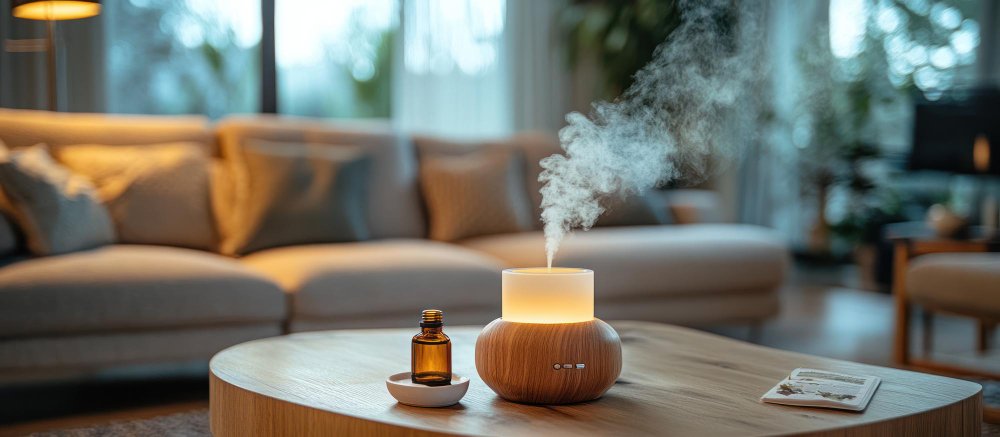
Essential oils are the most commonly used materials for smell retraining. They offer strong and consistent odors that can be easily identified. The oils should be inhaled gently, not sniffed forcefully, to avoid irritation. Commercially available olfactory training kits can also be used, though simple home-based versions with labeled bottles of rose, lemon, clove, and eucalyptus oils work equally well.
Progress tracking motivates continued effort
Recovery of smell varies among individuals. Keeping a simple log to record changes can help patients stay motivated. Notes on whether an odor is faint, different, or recognizable over time can provide encouragement. Some patients notice early improvements in intensity perception, while recognition accuracy improves later. Regular documentation helps track subtle progress that might otherwise go unnoticed.
Patience required as recovery takes months
Smell recovery is a slow process. It may take several months before significant improvement is noticed. The olfactory nerve regenerates gradually, and the brain requires time to interpret new signals correctly. Rushing the process or expecting quick results can lead to disappointment. Staying patient and consistent is key to achieving measurable improvement.
Different scents stimulate different nerve pathways
Each odor activates a unique set of olfactory receptors. Training with different types of scents ensures broader stimulation of the olfactory system. For example, citrus odors may activate one pathway while spicy scents engage another. This diversity helps improve both odor detection and differentiation. Rotating or occasionally changing scent sets after a few months can further enhance outcomes.
Professional guidance improves outcomes
Patients should ideally perform smell retraining under the supervision of an ENT specialist. The specialist can help identify suitable scents, monitor progress, and address any underlying nasal inflammation that may hinder recovery. In some cases, adjunct treatments such as nasal steroid sprays or saline irrigation may support the retraining process by maintaining healthy nasal mucosa.
Realistic expectations prevent discouragement

Not all patients recover their sense of smell completely. Some may regain partial recognition, while others may experience altered odor perception. It is important to understand that improvement depends on the extent of nerve recovery and other factors like prior infection or chronic inflammation. Setting realistic goals helps maintain motivation and emotional well-being throughout the process.
Success stories provide hope and motivation
Many patients who lost their sense of smell after sinus surgery have regained it through consistent smell retraining. Their experiences highlight the importance of patience, routine, and professional support. Sharing such success stories encourages others to continue their efforts even when progress seems slow.
Smell retraining is a practical, low-risk, and structured method to regain olfactory function after sinus surgery. Patients who commit to the routine, stay patient, and work closely with their ENT specialist often experience meaningful improvements over time.
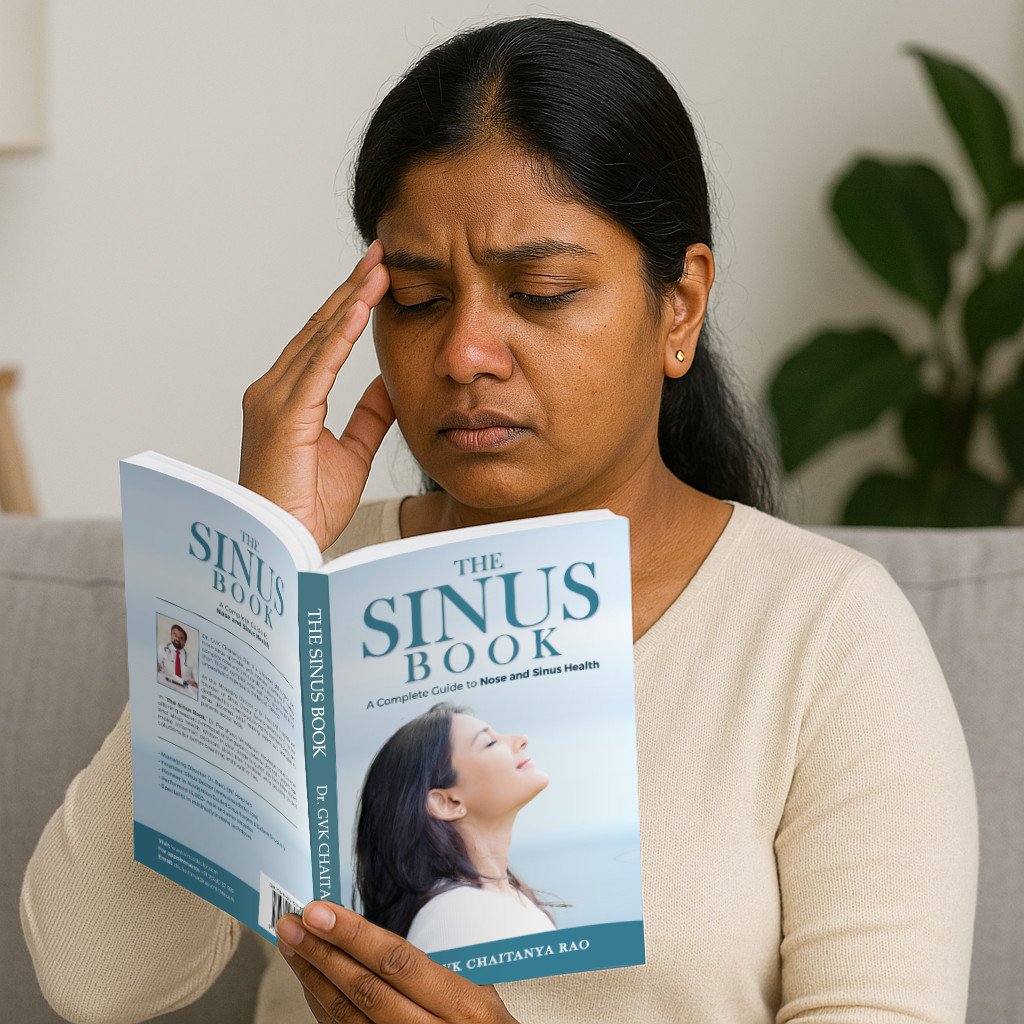
To know more, read this handy guide from Hopkins Medicine. For more information about managing your sinuses, read The Sinus Book by Dr. GVK Chaitanya Rao.