If you’ve had COVID-19 recently and are now dealing with sinus pain, headaches, or that constant blocked-nose feeling, it’s not just in your head. A growing number of people are reporting sinus issues that crop up after recovering from COVID. Since many of the symptoms overlap, it can be confusing to know what’s part of the recovery and what needs medical attention.
Let’s break it down simply: what’s normal, what’s not, and when to see a specialist.
How COVID and Sinus Infections Can Feel Similar

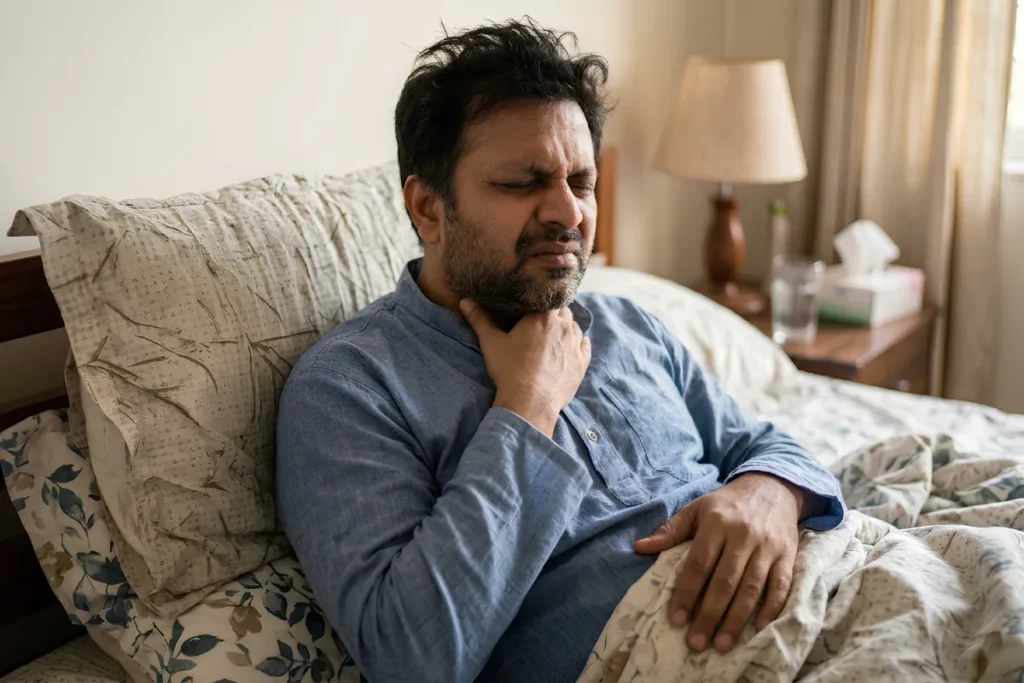
COVID-19 and sinus infections can share many of the same symptoms, like a runny or blocked nose, sore throat, headaches, cough, and even reduced sense of smell. This can make it hard to tell which one you’re dealing with, especially when the timing overlaps.
In sinus infections specifically, you’ll often feel:
- Pressure or pain around the cheeks, forehead, or behind the eyes
- Thick yellow or green nasal discharge
- Post-nasal drip (that constant throat clearing)
- Fever or fatigue
COVID can cause many of these too, but there are some differences in how and when they show up.
Can You Get a Sinus Infection After COVID?
Yes, and it’s something we’re seeing more often. After a COVID infection, your immune system might still be recovering. That makes you more vulnerable to other infections, including bacterial or even fungal sinus infections.
COVID can also cause inflammation in the nose and sinuses, damaging the tiny hair-like structures (cilia) that normally clear out mucus and allergens. When this system slows down, mucus builds up and infections can take hold.
Some patients report what feels like a “sinus headache” that lingers after COVID, especially with newer variants like FLiRT. This headache usually affects the area between your eyes and forehead. There might be a runny nose, but not always. Some also notice that their sense of smell is slow to return.
What’s Normal After COVID?
Here’s what you can expect during recovery:
- Mild congestion or runny nose
- Headaches that gradually ease
- Temporary loss of smell or taste
- Some facial pressure or sinus heaviness
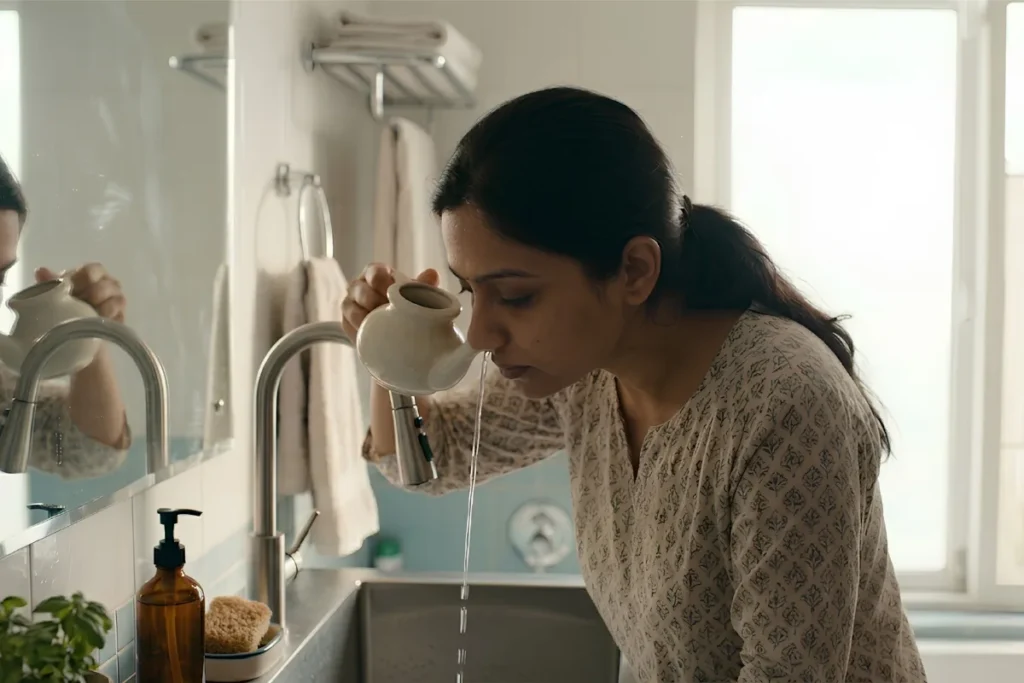
These symptoms usually settle down in 1 to 2 weeks. You can often manage them at home with warm compresses, steam inhalation, nasal saline rinses, and over-the-counter decongestants (used carefully and only for a few days).
What’s NOT Normal? (And When to See a Doctor)
Some symptoms may point to something more serious. Here’s when you should get checked:
1. Symptoms that don’t improve: If your sinus issues are getting worse or haven’t improved after 10 days, it might be a bacterial infection that needs antibiotics.
2. Severe or unusual pain: Persistent pain on the top of your head, scalp tenderness (even “painful hair”), or swelling around your eyes or forehead are not typical sinus symptoms.
3. Possible fungal infection: Although rare, fungal sinus infections have been seen after COVID, especially in those with weakened immunity. Watch out for sudden facial pain, vision changes, fever, or facial numbness. These require urgent care.
4. Loss of smell that lasts for months: If your sense of smell hasn’t returned after several weeks or months, it’s worth evaluating. Some people experience long-term smell loss after COVID, but ENT-guided therapy can help.
5. In children: red flags to know: In school-age children, severe sinus infections can occasionally spread to nearby areas. Warning signs include:
- Persistent vomiting or lethargy
- Swelling of the eyelids or forehead
- Behavior changes, confusion, or seizures
These are medical emergencies. Don’t wait to seek help!
Still Not Sure? This Test Can Help
Since many symptoms overlap, one simple way to rule out an active COVID infection is by taking a rapid COVID test. A sinus infection won’t cause a positive result, so this can help confirm what you’re dealing with.
Final Word: Don’t Ignore Lingering Sinus Issues
Most post-COVID sinus symptoms are harmless and clear up on their own. But some signs should never be brushed aside. If you’ve been stuck with sinus pain, pressure, or congestion that’s just not improving or getting worse, trust your instincts. It’s better to get checked early and avoid complications.
Need Relief That Lasts? Let’s Find the Right Solution Together
At our clinic, we understand how frustrating lingering symptoms after COVID can be, especially when they affect your breathing, sleep, and daily life. If your sinuses just aren’t bouncing back, book a consultation with us. We’ll help you get clarity, comfort, and the right treatment plan, because recovery shouldn’t drag on forever.